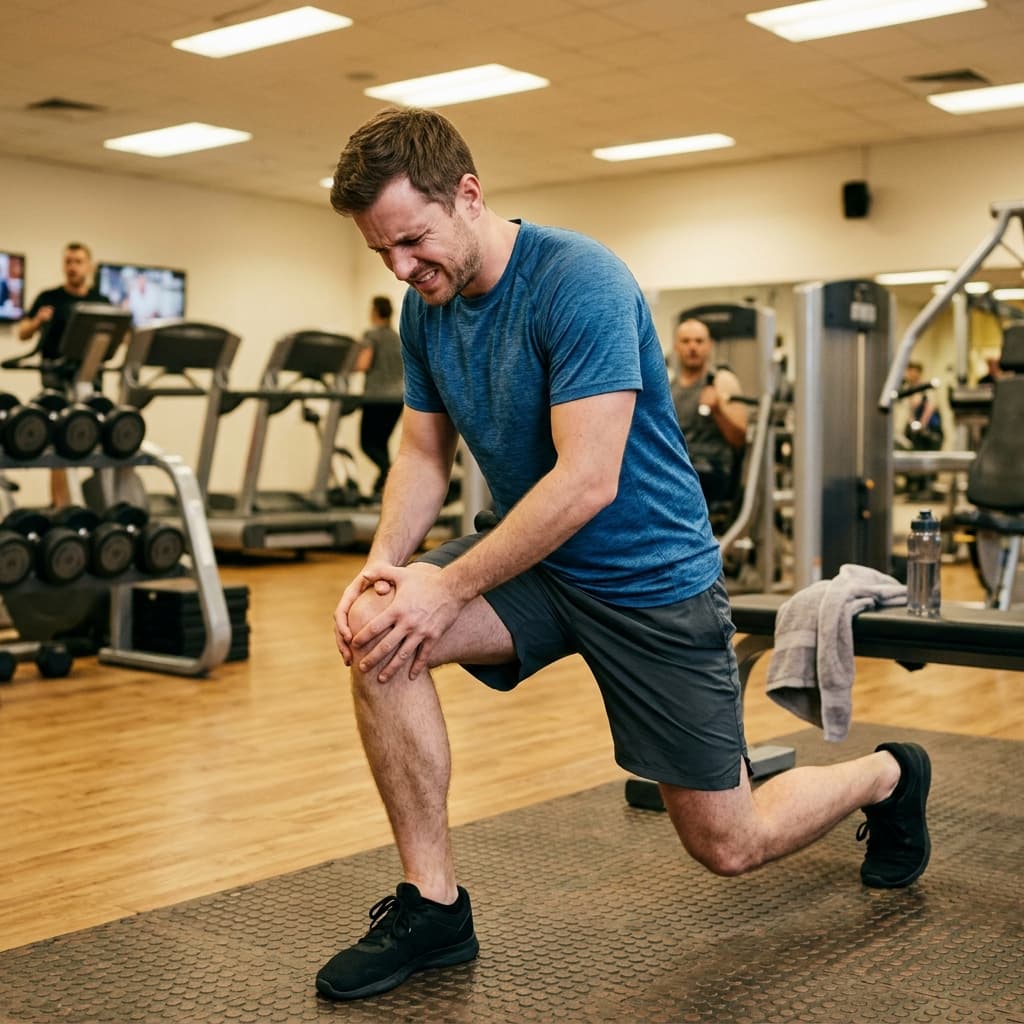
If you've been dealing with chronic tightness, persistent pain, or movement that just doesn't feel right, you've probably started to wonder if something is fundamentally wrong with you. Maybe you're just less resilient than you used to be. Maybe this is what getting older feels like.
It's not.
Your body isn't broken. It's protecting itself. And there's a meaningful difference between those two things.
The Protection Reflex
Your nervous system has one primary job: keep you alive. It does this remarkably well. When it perceives a threat (real or potential, physical or psychological), it responds. It changes your posture. It limits your range of motion. It increases muscle tone in certain areas to guard against further damage.
This response isn't a malfunction. It's the system working as designed.
The problem is that this protection can outlast the threat that triggered it. An old ankle sprain, a car accident, years of sitting in a position your body wasn't designed for. All of these create adaptations. Your nervous system learns from them and builds new defaults.
When Protection Becomes a Prison
Here's where it gets frustrating: once a protective pattern is established, the nervous system tends to keep it in place even when the original threat is long gone. The ankle healed. The whiplash resolved. But the movement restrictions, the compensations, the areas of chronic tension. They remain.
This is why people can do years of stretching, foam rolling, and massage and still feel the same. You're working on the symptom, the tight, guarded tissue, while the nervous system continues to issue the same protective orders.
Disconnection Is the Real Problem
What I see over and over in the clients I work with is a communication breakdown between the brain and the body. The nervous system has learned to restrict movement in certain patterns, and the body has lost the ability to move freely in those patterns, not because the tissue is damaged, but because the signal to move has been turned down or off entirely.
This is what I mean when I say the root issue is disconnection. Not weakness. Not tightness. A loss of communication.
Rebuilding the Connection
The path back isn't to force the tight areas to release. It's to restore the signal. To give your nervous system a reason to trust movement again, and to teach it that the full range of motion you're trying to access is safe.
This looks different from conventional mobility work. It involves:
- Breathwork to shift the nervous system out of sympathetic (fight/flight) activation
- Progressive loading at end ranges to build trust and control where you're restricted
- Movement re-patterning to replace old compensations with functional new ones
It's slower than hacking at tight hip flexors with a lacrosse ball. It's also the only thing that actually changes the underlying pattern.
If this resonates with what you've been experiencing, let's talk. A free 30-minute assessment call is where we start.
Want this in your body, not just your browser?
Book a Free Assessment Call